
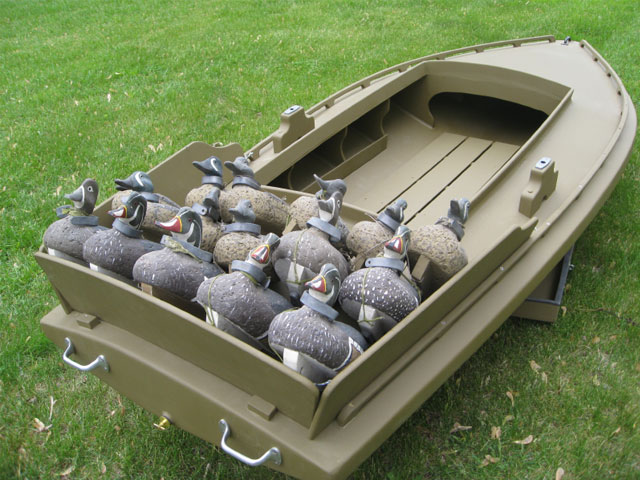
Building a Duck Boat for Quiet Paddling and Stealth
For those seeking the thrill of quiet, stealthy paddling, the "duck boat" reigns supreme. This unique vessel, designed to resemble a duck, blends seamlessly into its surroundings, allowing for close encounters with wildlife and a truly immersive experience on the water. Building your own duck boat is a challenging but rewarding project that can be tailored to your specific needs and fishing preferences.
Design Considerations for a Stealthy Duck Boat
A duck boat's primary function is to offer a low profile and minimal disturbance on the water. To achieve this, several design considerations are paramount:
Shape and Size
The most crucial aspect is the boat's shape. It should be narrow, resembling a duck's body, with a rounded bow for smooth entry into the water. The overall length should be sufficient to accommodate your paddling style and gear but remain compact enough to minimize its footprint. Smaller sizes will offer greater maneuverability and stealth, while larger versions provide increased carrying capacity for gear and passengers.
Materials
Materials for duck boats should be chosen with stealth in mind. Lightweight materials like fiberglass, cedar, or even a durable plywood hull are excellent choices. These options ensure quiet operation and are lightweight for easy maneuverability.
Camouflage and Coloring
The chosen camouflage pattern should blend with the surrounding environment. Natural colors like browns, greens, and grays are effective. Applying the camouflage pattern to both the hull and the interior of the boat will minimize its visibility.
Paddles
Avoid noisy paddles made of plastic or metal. Wooden paddles, while potentially heavier, offer silent strokes. Use smooth, measured paddle strokes to further minimize sound.
Building Your Duck Boat: Step-by-Step Guide
Crafting your own duck boat requires time, patience, and a blend of woodworking skills. The following steps offer a general framework:
Step 1: Planning and Design
Before starting, create a detailed plan of your boat's dimensions, materials, and features. This step involves designing the shape, the type of propulsion system (paddles or electric motor), and any additional features you desire, such as storage compartments.
Step 2: Gathering Materials
Gather all necessary materials, including plywood, fiberglass, epoxy resin, paint, and other components. Ensure that your chosen materials are lightweight and easy to work with.
Step 3: Constructing the Hull
Start by creating the hull's framework, using the designed plans as your guide. Carefully cut and assemble the plywood sheets or other chosen materials, ensuring precise measurements and strong joints.
Step 4: Adding Layers and Reinforcement
Reinforce the hull with fiberglass and epoxy resin to achieve a strong and durable exterior. Apply multiple layers for optimal strength, remembering to sand between coats for a smooth finish.
Step 5: Painting and Camouflaging
Apply a base coat of paint, followed by the desired camouflage pattern. Ensure that the paint blends well with the surrounding environment and is applied evenly.
Step 6: Finishing Touches and Fittings
Add any necessary features, such as seats, storage compartments, and a paddle holder. Include a quality seal to prevent water leaks and make your boat watertight.
Tips for Quiet Paddling
Even with a well-built duck boat, quiet paddling requires practice and conscious effort:
Building a duck boat requires dedication and craftsmanship, but the rewards are immense. This silent vessel will provide you with an unforgettable experience on the water, allowing you to blend into your surroundings and experience nature's beauty like never before. Enjoy the journey, and may your stealthy adventures be filled with incredible discoveries.


No comments:
Post a Comment
Note: Only a member of this blog may post a comment.