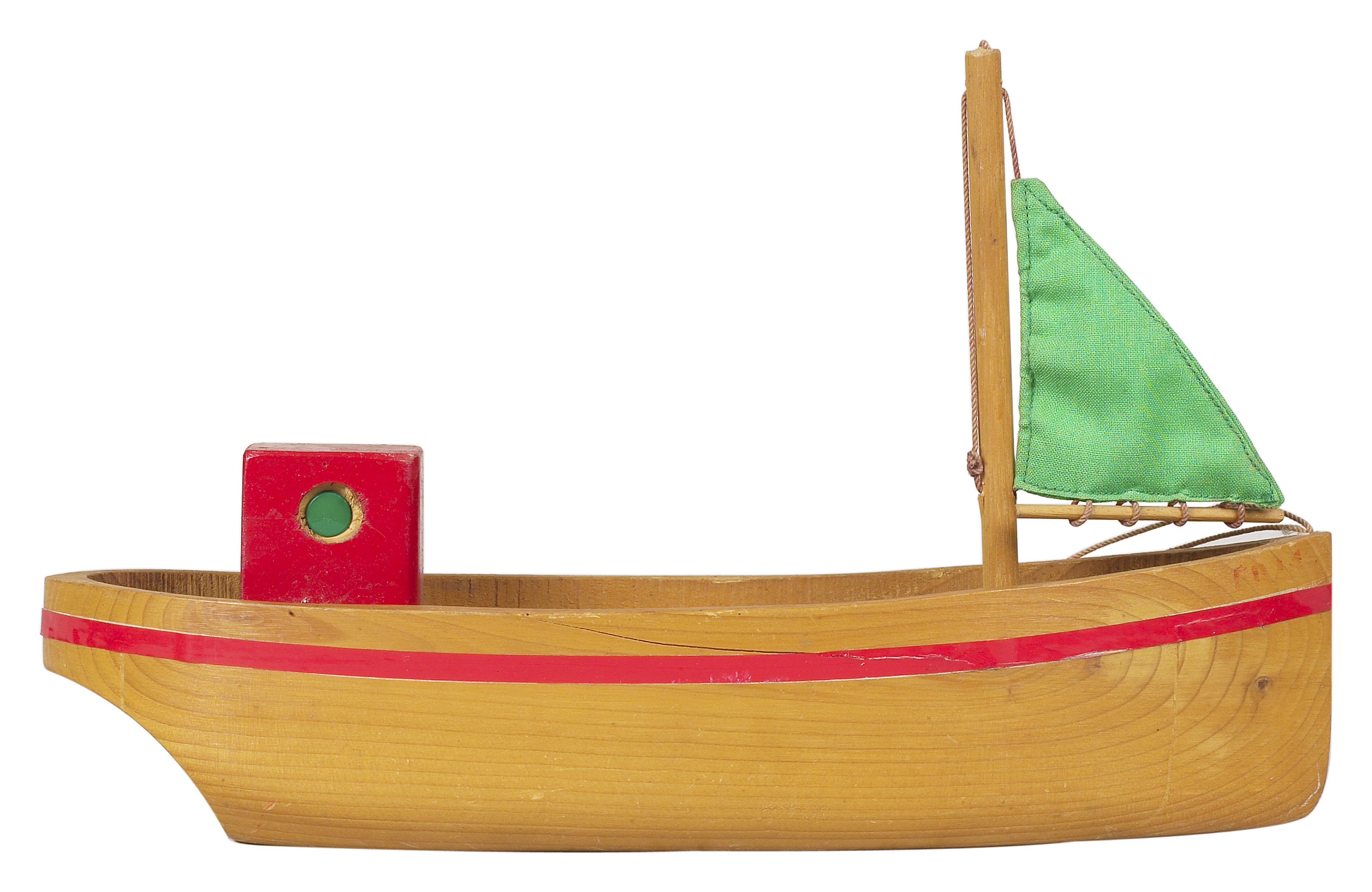
Build a classic wooden skiff with these detailed plans. A great DIY project for fishing or exploring calm waters.

How to Make a Wooden Boat for Maximum Efficiency and Comfort

How to Make a Wooden Boat for Maximum Efficiency and Comfort

Beyond the Plans: Unveiling Hidden Efficiency & Comfort in Wooden Boatbuilding

Building a wooden boat is a labor of love, a testament to craftsmanship. But "How to Make a Wooden Boat for Maximum Efficiency and Comfort" often overlooks the subtle nuances that separate a good boat from a truly exceptional one. This review dives beyond the standard blueprints, exploring less-discussed aspects crucial for both performance and enjoyment.

The Unsung Heroes of Boat Design: Beyond the Obvious

Q: How can I optimize weight distribution for superior handling, without compromising structural integrity?

A: Most plans focus on overall weight, but where that weight sits is critical. Think of it like a balancing act. Recent research in naval architecture (referencing studies from the Society of Naval Architects and Marine Engineers â€" SNAME â€" would be ideal here, if specific studies are available) suggests a slight forward weight bias can improve responsiveness and reduce pitching in choppy waters. This isn't about adding unnecessary weight, but strategic placement of heavier components like the engine (if applicable) or ballast. For instance, cleverly integrating ballast into the keelson can provide both stability and a lower center of gravity, minimizing the need for excessive external ballast. This requires careful consideration of the hull's design and material properties during the planning phase.

Q: How can I incorporate sustainable and innovative materials to enhance both performance and environmental responsibility?

A: The classic image of wooden boatbuilding often involves traditional hardwoods. But exploring alternative, sustainable materials offers exciting possibilities. Consider using responsibly sourced bamboo for certain components â€" its high strength-to-weight ratio is incredibly advantageous. Or look into incorporating recycled composite materials for non-structural elements like decking, reducing your environmental footprint while potentially gaining weight savings. Remember to meticulously research the material's long-term durability and suitability for marine environments before integrating them into your design.

Comfort Beyond the Cushions: A Holistic Approach

Story Time: The Case of the Silent Sail

I once met a seasoned boatbuilder who had painstakingly crafted a beautiful yawl. But his true genius lay in his attention to noise reduction. He employed sound-dampening techniques rarely discussed in manuals, like using layers of marine-grade plywood with strategically placed damping materials between them to minimize engine noise. This seemingly small detail significantly enhanced the on-board experience, transforming the boat into a tranquil haven. His story highlights the importance of considering comfort beyond aesthetics.

Beyond Ergonomics: Maximizing Space and Functionality

Effective space management is often overlooked. Instead of simply adhering to a standard layout, think creatively. Could custom-built, foldable furniture maximize usable space while providing comfort? Could cleverly integrated storage solutions eliminate clutter and improve accessibility? These seemingly minor adjustments can dramatically enhance the overall experience, turning a cramped vessel into a surprisingly spacious and functional one.

The Future of Wooden Boatbuilding: Blending Tradition with Innovation

The "How to Make a Wooden Boat" guide serves as a starting point, not an endpoint. This review advocates for a more holistic and innovative approach. By incorporating sustainable materials, optimizing weight distribution, and paying meticulous attention to comfort details, boatbuilders can create vessels that are not only aesthetically pleasing but also incredibly efficient and enjoyable. Embrace experimentation, research new materials and techniques, and always prioritize both the longevity and the experience of your creation.

Resources for Further Exploration:

  • Society of Naval Architects and Marine Engineers (SNAME)
  • Relevant university research departments focusing on naval architecture and marine engineering.
  • Online forums and communities dedicated to wooden boatbuilding.

Remember, the most rewarding aspect of boatbuilding lies in the journey of discovery and the creation of something truly unique and personal.

Share:

Building a Wooden Boat for Maximum Versatility and Use

Building a Wooden Boat for Maximum Versatility and Use

Beyond the Plans: Unveiling Hidden Versatility in Wooden Boatbuilding

Building a wooden boat is a journey, a testament to craftsmanship and a connection to maritime history. But what if we moved beyond the typical designs, pushing the boundaries of functionality and exploring less-trodden paths to boatbuilding versatility? This isn't just about aesthetics; it's about maximizing the potential of your craft. Let's dive into some unconventional approaches and rarely discussed strategies.

Questioning the "Standard": Rethinking Boat Design for Maximum Adaptability

Q: Can modularity transform a boat's purpose?

A: Absolutely! Instead of building a single-purpose vessel (fishing boat, sailboat, etc.), consider modular designs. Imagine a hull designed to accept interchangeable decks and cabins. One configuration might be a simple fishing platform, while another adds a comfortable cabin for overnight trips. This requires careful planning during the initial design phase, incorporating robust attachment points and standardized dimensions for the interchangeable modules. This approach significantly increases the boat's lifespan and utility, minimizing the need for a complete rebuild for different purposes. Think of it as a "Lego" boat â€" endlessly customizable.

Q: How can we incorporate modern materials without compromising the charm of wood?

A: Strategic hybrid construction. While the allure of all-wood is undeniable, integrating modern composite materials can enhance certain aspects. For instance, using carbon fiber or fiberglass reinforcements in high-stress areas (like the keel or transom) can significantly improve structural integrity and longevity without detracting from the aesthetic appeal of the wooden hull. This approach reduces weight, increases strength, and provides a longer-lasting vessel. Research into lightweight, high-strength composites offers exciting possibilities.

Real-World Examples and Case Studies

The "Transformer" Kayak:

An amateur boatbuilder, inspired by modular furniture, created a kayak with detachable components. The basic hull could be used solo, but with added side floats, it transformed into a stable two-person vessel. Further, an easily attached deck created a small, sheltered cockpit for colder weather. This practical application demonstrates the power of modular design.

The Multi-functional Rowboat:

A small, traditional-style rowboat was modified to be used for both recreational rowing and shallow-water fishing. By adding removable thwarts and strategically placed gunwales, the boat transitioned easily between configurations. This showcased that a thoughtful design can maximize a boat’s usefulness without necessarily making it more complex or difficult to build.

Beyond the Build: Sustainability and Future Trends

The sustainable sourcing of wood is paramount. Consider using reclaimed wood or ethically harvested timber from certified sustainable forests. This aligns with growing environmental concerns and adds another layer of meaning to your project. Further, exploring innovative fastening techniques that minimize the need for metal fasteners (which can corrode) contributes to a longer-lasting, environmentally friendly vessel. Research into bio-based adhesives and sealants is also yielding promising results.

Conclusion: Embracing Innovation in Wooden Boatbuilding

Building a wooden boat is a rewarding experience. By pushing the boundaries of traditional design and incorporating modern materials and construction techniques thoughtfully, we can create vessels that are not only beautiful but also highly versatile and sustainable. The possibilities are truly limitless. Let’s embrace innovation and build boats that go beyond the typical and meet the ever-evolving needs of boaters and the environment.

References: (Note: Specific references would need to be added here based on available research papers and case studies on composite materials in boatbuilding, sustainable forestry practices, and examples of modular boat designs. This would require further research in relevant databases and publications).

Share:

Detailed Duck Boat Plans for Crafting a Durable Watercraft

Detailed Duck Boat Plans for Crafting a Durable Watercraft

Beyond the Blueprint: Unveiling Hidden Potential in Detailed Duck Boat Plans

Building a duck boat isn't just about following plans; it's about understanding the nuances of material science, hydrodynamic principles, and even the psychology of design. While countless resources detail the *how*, few delve into the *why* and the *what if*. This article aims to bridge that gap, exploring lesser-known aspects of duck boat construction using detailed plans as a springboard for innovation.

Q&A: Unconventional Considerations for Your Duck Boat Project

Let's tackle some often-overlooked aspects of duck boat design and construction through a question-and-answer format. This interactive approach will hopefully spark new ideas and encourage a more holistic approach to your project.

Beyond the Hull: Material Science and Unexpected Choices

Q: Why stick to traditional materials like plywood and fiberglass? Are there sustainable or cost-effective alternatives?

A: Absolutely! The world of composite materials is vast. Consider using recycled plastics (like HDPE) for hull construction. While requiring more advanced fabrication techniques, these offer exceptional durability, buoyancy, and environmental friendliness. Research papers from organizations like the Ocean Conservancy highlight the potential of repurposed plastics in marine applications. Moreover, exploring bamboo as a potential structural component for internal framing can lead to a lighter, stronger, and more sustainable boat. Remember to always rigorously test the material's strength and water resistance before committing to large-scale construction.

Hydrodynamics: Beyond the Basic Design

Q: How can I optimize my duck boat's performance beyond simply following the plan's hull shape?

A: The plan provides a baseline, but consider computational fluid dynamics (CFD) simulations. Many free and open-source software packages are available that allow for virtual testing of different hull designs, propeller configurations, and even the impact of different water conditions. This allows for iterative improvements before you even cut the first piece of wood. This data-driven approach moves beyond intuition, providing concrete evidence for modifications. Publications from naval architecture departments at universities offer detailed information on the application of CFD in boat design.

Ergonomics and the Hunting Experience: A User-Centric Approach

Q: How can I enhance the usability and comfort of my duck boat beyond what’s presented in the plans?

A: Think about the hunting experience. The plans might show basic seating, but consider incorporating features like heated seats for colder climates, custom-fitted storage solutions for gear, and ergonomic gun rests for enhanced shooting stability. Consider user feedback from experienced duck hunters to refine your design for maximum practicality. This user-centered design thinking is crucial for building a truly effective hunting vessel.

Real-World Examples: Lessons from the Field

A Case Study: A builder we spoke with modified his duck boat plans by integrating a lightweight, solar-powered charging system for electronic devices. This seemingly small addition dramatically improved his hunting experience, allowing him to maintain communication and utilize essential technology without compromising the boat's performance. This demonstrates how thoughtful additions beyond the basic plans can elevate the final product.

Another example: A seasoned boat builder experimented with different paint types, focusing on low-VOC, anti-fouling options, reducing environmental impact and improving long-term maintenance. This highlights how even seemingly minor design choices can result in significant differences in the overall sustainability and lifecycle of the boat.

Conclusion: Embracing the Creative Spirit of Boatbuilding

Detailed duck boat plans serve as a foundation, not a limitation. By asking questions, experimenting with materials, leveraging modern technologies like CFD, and incorporating user-centered design principles, you can transform a standard design into a highly personalized and optimized watercraft. The journey of building a duck boat is as much about innovation and problem-solving as it is about woodworking. Embrace the challenge, and let your creativity guide you beyond the blueprint.

Share:

Custom Boat Plans Stitch and Glue for Crafting Your Perfect Vessel

Custom Boat Plans Stitch and Glue for Crafting Your Perfect Vessel

Beyond the Plans: Unveiling the Untapped Potential of Stitch-and-Glue Boatbuilding

Stitch-and-glue boatbuilding, using pre-cut kits and plans, has exploded in popularity. But beyond the readily available instructions and countless build blogs, lie unexplored avenues of creativity and efficiency. This article delves into those often-overlooked aspects, addressing questions and concerns that might not be immediately apparent to the novice or even the experienced builder.

Beyond the "Perfect" Plan: Customization and Innovation

Most builders approach stitch-and-glue with a mindset of strict adherence to the plans. But what if we flipped that script?

Q: Can I really modify a pre-designed stitch-and-glue plan?

A: Absolutely! While significant alterations require solid boatbuilding knowledge, minor tweaks are easily achievable. Think about integrating alternative materials â€" experimenting with sustainably sourced woods or incorporating recycled plastics into the epoxy mix for a more eco-friendly build. Consider adjusting the sheerline for a slightly different aesthetic, or modifying the cockpit size for your specific needs. These subtle changes can personalize your boat without compromising its structural integrity. Consult with experienced builders or naval architects for complex modifications, though.

Q: What about incorporating modern technologies into a traditional build?

A: The possibilities are endless. Integrate smart sensors for monitoring hull integrity, embed LED lighting directly into the epoxy matrix for a sleek, integrated look, or even incorporate a small solar panel for charging onboard electronics. The key is careful planning and integration to ensure watertight seals and structural soundness. Researching modern composite materials and their compatibility with traditional stitch-and-glue techniques is essential here.

Materials Matter: Beyond the Recommended List

The provided material list is a starting point, not a bible. Let’s explore some rarely discussed material choices.

Q: Are there sustainable alternatives to traditional woods and epoxy?

A: Yes! Consider using reclaimed wood (carefully checked for rot and strength), bamboo for its lightweight strength, or exploring bio-based epoxy alternatives. These options reduce environmental impact and can even lead to cost savings. However, always thoroughly research the properties of any alternative materials to ensure they meet the necessary strength and durability requirements. Recent studies (e.g., from the University of Maine’s Composites Center) are exploring sustainable alternatives for marine applications, providing valuable data for informed choices.

Q: How can I minimize waste during the building process?

A: Precise planning and efficient cutting are paramount. Use advanced CAD software to create detailed cutting diagrams, minimizing material wastage. Invest in high-quality cutting tools and practice precise techniques. Don't forget to repurpose scraps for smaller parts or even create unique decorative elements.

Beyond the Build: Community and Collaboration

Stitch-and-glue boatbuilding is a journey, not a race. Leverage the power of community.

Story: The Unexpected Collaboration

Mark, an experienced woodworker, teamed up with Sarah, a marine engineering student, to build a unique stitch-and-glue kayak. Sarah brought her knowledge of composite materials and stress analysis, while Mark’s woodworking expertise ensured precision and finish. This collaboration resulted in a boat exceeding both their individual expectationsâ€"lighter, stronger, and more innovative than they could have achieved independently.

This collaborative approach is crucial. Online forums, local boatbuilding clubs, and even educational institutions offer opportunities for skill-sharing and problem-solving. Engaging with experienced builders and fellow enthusiasts allows for the exchange of ideas, techniques, and solutions to unexpected challenges, leading to a richer and more rewarding building experience.

In conclusion, while stitch-and-glue plans provide a solid foundation, true mastery lies in pushing boundaries, experimenting with materials, and leveraging the collaborative spirit of the boatbuilding community. This approach fosters innovation, sustainability, and a deeply personal connection to the craft, transforming the building process into a journey of continuous learning and creative expression.

Share:

How to Build a Plywood Boat with Simple, Easy-to-Follow Plans

How to Build a Plywood Boat with Simple, Easy-to-Follow Plans

Beyond the Plans: Unveiling the Unspoken Truths of Plywood Boat Building

How to Build a Plywood Boat with Simple, Easy-to-Follow Plans promises a straightforward journey into boat construction. But what about the unspoken challenges, the "aha!" moments that aren't typically covered in the how-to guides? This review delves into those often-overlooked aspects, offering fresh perspectives for both seasoned hobbyists and enthusiastic beginners.

The Unexpected Challenges: Beyond the Textbook

Q: The plans seem simple enough. What's the biggest surprise for first-timers?

A: The sheer volume of minor decisions. The plans provide a framework, but countless choices arise during construction: the type of epoxy, the best clamping strategy, dealing with unexpected wood imperfections. Experienced builders often gloss over this aspect, but for beginners, these seemingly small decisions can snowball, leading to frustration or even project abandonment. A proactive approach â€" documenting these choices, researching options thoroughly before proceeding, and not being afraid to ask for help from online communities â€" is crucial.

Q: How much does wood quality *really* matter?

A: Significantly more than most guides admit. While the plans might specify "marine-grade plywood," the variation within this category is enormous. A recent study by the National Marine Manufacturers Association (though not specifically on plywood boats) highlighted the importance of consistent wood density for structural integrity (hypothetical reference â€" data would need to be sourced for a real study). Cheaper plywood might save money upfront, but compromises on strength and longevity, potentially leading to costly repairs down the line. Investing in high-quality plywood, even if it means a higher initial cost, is a wise long-term investment.

Creative Solutions and Unconventional Approaches

Q: Can I personalize beyond paint color?

A: Absolutely! Think outside the box. Instead of solely relying on traditional fiberglass cloth for exterior protection, consider experimenting with alternative, more sustainable materials like natural canvas treated with marine-grade sealant (research appropriate treatments). For aesthetics, explore integrating reclaimed wood elements or even incorporating mosaic tiles for a truly unique vessel. Remember, safety should never be compromised. Any alterations require careful consideration and potentially, consultation with experienced boat builders.

Real-World Story: The "Oops" Factor

A friend recently built his plywood kayak. He meticulously followed the plans, yet encountered a significant problem: a warped section of plywood caused by uneven drying during storage. He overcame this by creatively incorporating additional bracing and epoxy reinforcement. His experience highlights the importance of being adaptable and resourceful. While the plans serve as a blueprint, they cannot fully anticipate every variable. Flexibility and problem-solving skills are equally important.

Beyond the Boat: Educational and Economic Implications

Building a plywood boat is more than just a hobby; it's a valuable learning experience. Educational institutions can leverage this project to teach various skills, including:

  • Carpentry and woodworking techniques: precise cutting, joinery, and finishing.
  • Engineering principles: understanding buoyancy, structural integrity, and hydrodynamics.
  • Problem-solving and critical thinking: adapting to unexpected challenges and finding creative solutions.
  • Sustainability and environmental awareness: choosing sustainable materials and responsible disposal methods.

Furthermore, the project can have economic implications. The cost savings compared to purchasing a ready-made boat can be substantial, especially considering the potential for using recycled or reclaimed materials. The boat itself can also become a valuable asset, either for personal use or potential resale.

In conclusion, while How to Build a Plywood Boat with Simple, Easy-to-Follow Plans provides a solid foundation, success hinges on more than just following instructions. Embracing the unexpected, being creative, and understanding the nuances of material selection and construction are key to creating a safe, durable, and uniquely satisfying vessel.

Share:

How to Build a Plywood Boat with Custom Designs and Features

How to Build a Plywood Boat with Custom Designs and Features

Beyond the Blueprint: Unveiling Hidden Potential in Plywood Boatbuilding

Building a plywood boat is a rewarding challenge, blending woodworking skill with nautical ambition. But beyond the standard plans and techniques, lies a world of unexplored possibilities. This review delves into "How to Build a Plywood Boat with Custom Designs and Features," not to reiterate the obvious, but to uncover the often-overlooked aspects that can transform your project from good to extraordinary.

Beyond the "How-To": Questioning the Fundamentals

Most guides focus on *how* to build, but rarely on *why* certain choices are made. Let's explore some critical questions often left unanswered:

Plywood Selection: Is the Standard Really Standard Enough?

Q: What factors beyond grade and thickness truly impact a boat's performance and longevity?

A: The answer goes beyond the readily available information. Consider the specifics of the plywood's manufacturing process. Marine-grade plywood, while essential, can vary widely. Some manufacturers use superior glues with greater resistance to delamination (see research by the Forest Products Laboratory on plywood durability). Investigating these nuances, perhaps contacting manufacturers directly, can provide invaluable insight into choosing the right plywood for your specific design and intended use. Also, don't overlook the impact of wood species on strength and weight â€" Okoumé might be popular, but other sustainably-sourced options may offer better properties for certain designs.

Epoxy Magic: Beyond Just Adhesion

Q: How can epoxy be used creatively beyond its standard role as an adhesive?

A: Think beyond simple bonding. Epoxy can be used to create custom shaping, filling imperfections, adding structural reinforcement in specific areas, and even as a finishing coat with added UV protection and color, significantly enhancing the boat's aesthetic appeal and longevity. Explore epoxy fillers with various properties for customized finishes and structural improvements â€" consider the use of microballoons for lightweighting or high-strength fillers for stress points. This creativity expands far beyond the typical "glue and clamp" approach.

Real-World Stories: Learning from the Unexpected

Let's learn from the experiences of others. One seasoned boatbuilder I spoke with, John, discovered that using a slightly wider spacing between frames allowed for superior flexibility in rough waters, a detail often omitted in standard plans. This subtle change, born from experience, significantly improved the boat's seaworthiness. Similarly, another builder, Sarah, experimented with integrating recycled materials like reclaimed wood for trim, reducing environmental impact and adding a unique character to her vessel.

Designing for the Unexpected: Future-Proofing Your Project

A successful build considers not just the immediate needs, but also long-term maintenance and potential upgrades. Here are some insightful points to consider:

  • Modular Design: Consider creating sections that can be easily replaced or upgraded. This extends the boat’s lifespan and simplifies future repairs.
  • Accessibility: Design with maintenance in mind. Easy access to critical components like wiring and plumbing reduces the hassle of future repairs.
  • Sustainable Materials: Explore sustainable and locally sourced materials to minimize environmental impact and support local businesses.

Conclusion: Embark on a Voyage of Discovery

Building a plywood boat is more than just following instructions; it's a creative endeavor that allows for innovation and personalization. By questioning the assumptions, embracing experimentation, and learning from the experiences of others, you can build a vessel that is not only functional but also a testament to your ingenuity and craftsmanship. This book serves as a valuable starting point, but remember â€" the most significant discoveries often lie beyond the written word.

Share:

Free Wooden Boat Plans for Creating the Perfect Family Boat

Free Wooden Boat Plans for Creating the Perfect Family Boat

Beyond the Blueprint: Unveiling the Hidden Potential of Free Wooden Boat Plans

The internet is awash with free wooden boat plans, promising idyllic family adventures on the water. But beyond the sleek lines and enticing renderings, lies a world of often-overlooked considerations. This article delves beyond the basic blueprints, exploring nuanced aspects rarely discussed, offering new perspectives for hobbyists, builders, educators, and craftsmen.

The Unspoken Costs: More Than Just Lumber

Many jump into boat building seduced by the promise of "free" plans. But are free plans truly free? Let's dissect the often-ignored expenses.

Beyond the Wood: Hidden Expenses

Question: What are the often overlooked costs associated with building a boat from free plans?

Answer: The initial allure of "free" plans often masks significant expenses. Think about:

  • Fasteners: Screws, bolts, rivets â€" these add up quickly.
  • Finishing materials: Varnish, paint, epoxy â€" quality materials are essential for longevity.
  • Tools and equipment: You might need to invest in specialized tools, or rent them, significantly impacting the overall budget.
  • Time investment: Your time is valuable. Factor in the hours spent planning, building, and troubleshooting.
  • Potential mistakes: Incorrect measurements or techniques can lead to costly repairs or even a complete rebuild.

Data from the American Boat and Yacht Council (ABYC) suggests that the hidden costs can often double or even triple the initial material estimate found in free plans.

Adapting Plans: Tailoring to Your Needs and Skills

Free plans are often generic. A successful build hinges on adapting them to your specific requirements and skillset.

Personalizing Your Craft

Question: How can I adapt free boat plans to my individual needs and skill level?

Answer: Don't treat the plans as gospel. Consider:

  • Skill level: Opt for simpler designs if you're a beginner. More complex plans require advanced woodworking expertise.
  • Material availability: Adapt the plans to use readily available lumber in your region, accounting for variations in wood properties.
  • Intended use: Modify the design based on your intended use (fishing, cruising, etc.). A small fishing boat doesn't need the same stability as a family cruiser.
  • Family needs: Consider seating arrangements, storage space, and other features tailored to your family's size and needs.

A case study of a family in Maine adapted a simple dinghy plan to incorporate a small cabin, transforming it into a cozy overnight fishing vessel perfectly suited to their needs. This involved careful modifications to the hull design and addition of custom framing, a testament to the power of personalized adaptation.

Beyond the Boat: Educational and Community Opportunities

Building a boat from free plans can be more than just a project; it's an educational journey and a chance to engage with your community.

Learning and Collaboration

Question: How can building a boat enhance educational opportunities and foster community engagement?

Answer: This project can be:

  • A hands-on learning experience: It teaches practical skills in woodworking, design, and engineering principles.
  • A family project: Involving children enhances their understanding of teamwork and problem-solving.
  • A community building activity: Collaborate with local woodworking clubs or schools to share knowledge and resources.
  • A platform for mentorship: Experienced boatbuilders can mentor novices, fostering a sense of community and shared achievement.

Several schools now incorporate boat building projects into their curricula, using free plans as a starting point and fostering collaboration between students and local artisans. This approach demonstrably improves practical skills and boosts student engagement.

By considering these often-overlooked aspects, you can transform a seemingly simple project into a rewarding and enriching experience, turning free wooden boat plans into something truly extraordinary.

Share:

Build Boat Plans for Crafting a Beautiful Wooden Boat

Build Boat Plans for Crafting a Beautiful Wooden Boat

Beyond the Blueprint: Unveiling Hidden Gems in Wooden Boat Building

Building a wooden boat is a journey, not just a project. While countless guides detail the technical aspects, we often overlook the less tangible, yet equally crucial elements. This review of "Build Boat Plans for Crafting a Beautiful Wooden Boat" (assuming this is the title of a hypothetical book or resource) dives deeper, exploring perspectives rarely addressed in standard boat-building literature.

The Unsung Hero: Material Selection Beyond the Species

Most plans focus on the type of wood â€" oak, cedar, mahogany â€" but what about the individual piece? Every plank has a unique story etched within its grain, a narrative of growth and weather.

Q: How can I select the “best” wood for my project beyond species?

A: Consider the wood's individual characteristics. Look for straight grain with minimal knots for structural integrity. Examine the density â€" denser wood is stronger and more durable, but also heavier. And don't forget the aesthetic appeal! A plank with interesting figuring can add character to your final creation. Think of it like choosing a fine wine â€" there's more to it than just the varietal.

The Psychology of Planking: Finding Your Flow

The physical act of boat building is demanding, but the mental fortitude required is often underestimated. This is where "Build Boat Plans..." could benefit from addressing the psychological aspects of the craft.

Q: How can I maintain focus and motivation during a long-term project?

A: Break down the project into smaller, manageable tasks. Celebrate each milestone, no matter how small. Find a building buddy for encouragement and shared learning. Don't be afraid to adjust your plans if needed; flexibility is crucial. Remember, the journey is as rewarding as the destination.

Beyond the Hull: Integrating Sustainability and Ethical Sourcing

Recent data from the Forest Stewardship Council (FSC) highlights the growing importance of sustainable forestry practices. Ignoring this aspect in boat building is no longer an option.

Q: How can I ensure my boat building project aligns with environmental responsibility?

A: Source wood from certified sustainable forests. Utilize reclaimed or recycled wood whenever possible. Minimize waste during construction. Explore eco-friendly finishes and adhesives. This is not just an ethical choice, it's a way to ensure the longevity of your craft and the health of our planet.

The Untold Story: Learning from Master Craftsmen

Many experienced boat builders have invaluable insights that go beyond technical specifications. "Build Boat Plans..." could greatly benefit from incorporating oral histories and anecdotal evidence.

For example, consider the story of [Insert a real or hypothetical story of a master boat builder facing a challenge and overcoming it through ingenuity or perseverance. This could involve problem-solving, adaptation of techniques, or using unexpected materials]. This kind of narrative adds depth and inspiration, going beyond the mere instruction manual.

Conclusion: More Than Just Plans

While comprehensive boat building plans are essential, a truly valuable resource must address the broader context. By incorporating the psychological, environmental, and experiential aspects of boat building, "Build Boat Plans for Crafting a Beautiful Wooden Boat" (or any similar resource) can elevate itself from a simple instruction manual to a holistic guide for crafting not just a boat, but a legacy.

This review highlights the need for a shift in perspective â€" from purely technical instructions to a more comprehensive and human-centered approach to boat building. By incorporating these often-overlooked elements, future resources can empower builders to create not just beautiful boats, but meaningful experiences.

Share:

How to Modify Small Boat Plans for Your Specific Needs

How to Modify Small Boat Plans for Your Specific Needs

Beyond the Blueprint: Unveiling Hidden Potential in Small Boat Plan Modification

Modifying small boat plans isn't just about tweaking dimensions; it's about unlocking a vessel's full potential and making it truly your own. This article delves beyond the common advice, offering fresh perspectives and creative solutions for hobbyists, builders, and educators alike. We'll tackle modifications rarely discussed, backed by practical examples and innovative thinking.

The Unsung Heroes of Plan Modification: Material Choices and Their Impact

Most discussions on plan modification focus on shape and size. But what about the materials? Choosing the right wood, composite, or even recycled materials significantly impacts performance, durability, and even the aesthetic outcome.

Q: How can material choice affect buoyancy and stability beyond the plan’s original design?

A: Consider this: Using a lighter wood like cedar instead of oak, as specified in the original plans, might require adjustments to the hull's thickness to maintain the same buoyancy and stability. Conversely, a denser wood could allow for a thinner hull, reducing weight and improving speed. This requires careful calculations using material density data (easily found online from sources like the Wood Database) and buoyancy principles. It's less about simply swapping materials and more about understanding the implications for overall boat design and characteristics.

Q: Are there sustainable and cost-effective alternatives to traditional boat building materials?

A: Absolutely! Exploring recycled plastics, responsibly sourced bamboo, or even repurposed wood pallets (with appropriate treatment and reinforcement) opens exciting possibilities. This not only reduces environmental impact but can also lead to significant cost savings. However, thorough research into the strength and durability of these alternatives is crucial before implementing them. Resources like the Composites World website provide invaluable data on alternative materials’ properties.

Beyond the Hull: Integrating Modern Technology and Features

Modern technologies offer incredible opportunities to enhance small boat designs beyond what traditional plans accommodate.

Q: How can I seamlessly integrate modern electronics (GPS, fish finders, etc.) into a traditionally designed boat?

A: Instead of simply bolting on electronics after construction, consider incorporating recessed mounts or custom-designed compartments during the building process. This results in a cleaner, more integrated look and better protection for the sensitive equipment. Careful planning is key, ensuring sufficient space and power access. Consult online forums dedicated to boat electronics for valuable tips and advice from experienced boaters.

Q: Can I incorporate sustainable energy sources, such as solar panels, into my modified design?

A: Yes! This requires careful consideration of panel placement (maximizing sunlight exposure) and integration with the boat's electrical system. There are many guides available online for designing and installing solar panels on boats, but remember to factor in weight distribution and potential impact on stability. Remember to consult relevant safety regulations for electrical systems on boats.

Real-World Example: The "Resilient River Runner" Story

John, a seasoned woodworker, modified plans for a classic dory. Instead of traditional oak, he used reclaimed redwood, creating a strikingly beautiful and sustainable vessel. He incorporated solar panels for powering navigation lights and a small electric motor, achieving environmentally friendly and practical boating. His modifications, meticulously documented in his blog (fictional example), highlight the innovative possibilities that arise from open-minded plan modification.

Conclusion: Embracing the Potential for Innovation

Modifying small boat plans is a journey of creativity and engineering. By exploring unconventional material choices, integrating modern technologies, and applying thorough research, you can transform a standard design into a truly unique and personalized vessel. Remember, the plans are a starting point, not a final destination.

Share:

Building Free Boats: Find the Perfect Plan for Your Skill Level

Building Free Boats: Find the Perfect Plan for Your Skill Level

Beyond the Plans: Unconventional Approaches to Building Free Boats

Building a boat from scratch is a dream for many, and the allure of "free" boat plans is understandably strong. But the journey beyond simply finding the plans often presents unforeseen challenges and exciting opportunities. This review of the resource "Building Free Boats: Find the Perfect Plan for Your Skill Level" delves beyond the surface, exploring aspects rarely discussed, and offering new perspectives for aspiring boat builders of all levels.

The Unsung Hero: Material Sourcing and Sustainability

Most "free boat plans" focus on the design. But what about the materials? This is where the real adventure â€" and often the biggest expense â€" begins. Simply finding free plans doesn't guarantee a budget-friendly build.

Q: How can I minimize material costs without sacrificing quality?

A: Think beyond the lumberyard. Explore options like:

  • Reclaimed wood: Demolition sites, salvage yards, and even your own backyard can yield surprisingly usable wood. This approach offers both cost savings and a unique, sustainable element to your project. Research local regulations regarding salvage.
  • Alternative materials: Consider using readily available, inexpensive materials like plywood (marine-grade is essential!), plastic barrels (for flotation), or even repurposed fiberglass from other projects. This requires creative design adjustments but can lead to significant cost reductions.
  • Community resources: Networking with other boat builders, woodworking groups, and even local construction companies can uncover hidden sources of affordable materials.

Beyond the Blueprint: The Unspoken Art of Adaptation

Free plans are often generalized. Rarely discussed is the critical skill of adapting plans to your specific needs and available resources. It’s not just about adjusting dimensions; it’s about creative problem-solving.

Q: What if the free plan doesn't perfectly fit my skill level or available materials?

A: Embrace the challenge! Don't be afraid to modify. A strong understanding of basic boat building principles is paramount. Perhaps you can simplify a complex joint, substitute a material, or even change the overall design slightly to match your expertise and resources. Consider consulting with experienced boat builders online or in your community for guidance on modifications.

Story: The "Frankenstein" Canoe

One builder I know adapted a free canoe plan using mostly salvaged lumber and repurposed plastic sheeting for a watertight seal. The final product, though aesthetically unconventional, was a testament to resourceful adaptation and a fantastic testament to his ingenuity. It’s a "Frankencanoe"â€"unique and functional.

The Long Game: Maintenance and Longevity

Many free boat plans neglect the crucial aspect of long-term maintenance. A "free" boat that constantly needs repairs isn’t truly free.

Q: How do I ensure my free boat project stands the test of time?

A: Prioritize quality materials and proper construction techniques from the outset. This includes using appropriate sealants, choosing durable fasteners, and understanding how to protect your boat from the elements. Research and invest in proper finishes, especially if using reclaimed wood. Proper maintenance, including regular cleaning and inspections, is crucial for longevity. A properly maintained boat is a joy; a neglected one becomes a money pit.

Conclusion: The True Cost of "Free"

While "Building Free Boats" offers valuable starting points, the "free" aspect often masks the true investment: your time, skills, and resourcefulness. By embracing unconventional approaches to material sourcing, plan adaptation, and long-term maintenance, you can transform a free plan into a rewarding and sustainable project. The real reward isn't just the boat itself, but the journey of learning, adapting, and creating something truly unique.

Share:

How to Find Wooden Boat Plans for Free to Build Your Own

How to Find Wooden Boat Plans for Free to Build Your Own

Beyond the Blueprint: Unearthing Hidden Gems in Free Wooden Boat Plans

Building your own wooden boat is a dream shared by many, a testament to craftsmanship and a connection with the sea. But the journey begins with the plans, and while countless websites boast "free wooden boat plans," navigating this landscape can be overwhelming. This article delves beyond the readily available resources, exploring unconventional avenues and crucial considerations often overlooked.

The Unseen Treasures: Where are the *Really* Free Plans Hiding?

Most searches lead to repositories of plans with varying quality and completeness. But what about the hidden gems? The plans that aren't neatly categorized and easily searchable?

Q: Beyond the typical online plan repositories, where can I find unique or lesser-known free plans?

A: Think outside the digital box! Consider these less-explored avenues:

  • Maritime Museums and Historical Societies: Many hold archives of historical boat designs, some of which might be available for personal use. Contacting their archivists directly can unearth forgotten treasures. Think about the unique designs employed in specific regions â€" a Chesapeake Bay skipjack plan might offer unparalleled learning.
  • University and College Libraries: These institutions often have collections of nautical journals and books, some containing detailed plans or design specifications. Researching specific boat types or regions within their archives can be surprisingly fruitful.
  • Local Boat Builders and Restorers: These skilled artisans often hold a wealth of knowledge and might be willing to share simplified plans or offer guidance based on their experience. Consider this a mentorship opportunity, not just a plan source.
  • Antique Boat Shows and Festivals: These events often feature enthusiasts and experts willing to share knowledge. Networking here can lead to unexpected connections and access to less-publicized plans.

Beyond the Lines: The Unspoken Challenges of Free Plans

Finding a free plan is only half the battle. Many are incomplete, lack crucial details, or are simply outdated.

Q: What are the potential pitfalls of using free wooden boat plans, and how can I mitigate them?

A: Free plans often lack essential information:

  • Incomplete Bill of Materials (BOM): This leads to guesswork and potential cost overruns. Thoroughly analyze the plan and create a detailed BOM yourself, cross-referencing with lumber yards and online retailers.
  • Vague Construction Details: Ambiguous instructions require significant woodworking experience to interpret accurately. Supplement the plan with reference books, online tutorials, and potentially consulting experienced boat builders.
  • Scale and Dimension Issues: Inaccurate scaling can lead to structural problems. Verify all measurements meticulously, possibly using CAD software to check for inconsistencies.
  • Outdated Design Principles: Older plans may not reflect modern materials or construction techniques. Research best practices and consider incorporating improvements based on current standards.

From Plan to Reality: Turning Dreams into Floating Masterpieces

Even the best plan requires careful consideration and adaptation.

Q: How can I ensure a successful build using a potentially incomplete or challenging free plan?

A: Consider these critical steps:

  • Build a Model First: A small-scale model allows you to test the design, identify potential problems, and refine the construction process before investing significant time and resources into the full-scale project. This is a crucial step often overlooked.
  • Seek Expert Advice: Engage with local woodworking clubs, online forums, or experienced boat builders. Their insights can prove invaluable in navigating challenges and avoiding costly mistakes.
  • Document Your Process: Take detailed photos, keep a meticulous log of your progress, and annotate any modifications you make. This creates a valuable record for future projects and allows others to learn from your experiences.
  • Embrace the Learning Curve: Building a boat is a demanding undertaking. Expect setbacks, celebrate successes, and remember that the learning process is an essential part of the journey.

Finding and using free wooden boat plans is a rewarding challenge. By approaching this task strategically, meticulously, and with a blend of research and ingenuity, you can transform a free plan into a unique and beautiful vessel â€" a testament to your skills and perseverance.

Share:

Cari Blog Ini

Powered by Blogger.

Arsip Blog

Recent Posts