Beyond the Plans: Unveiling Hidden Aspects of Wooden Boat Building
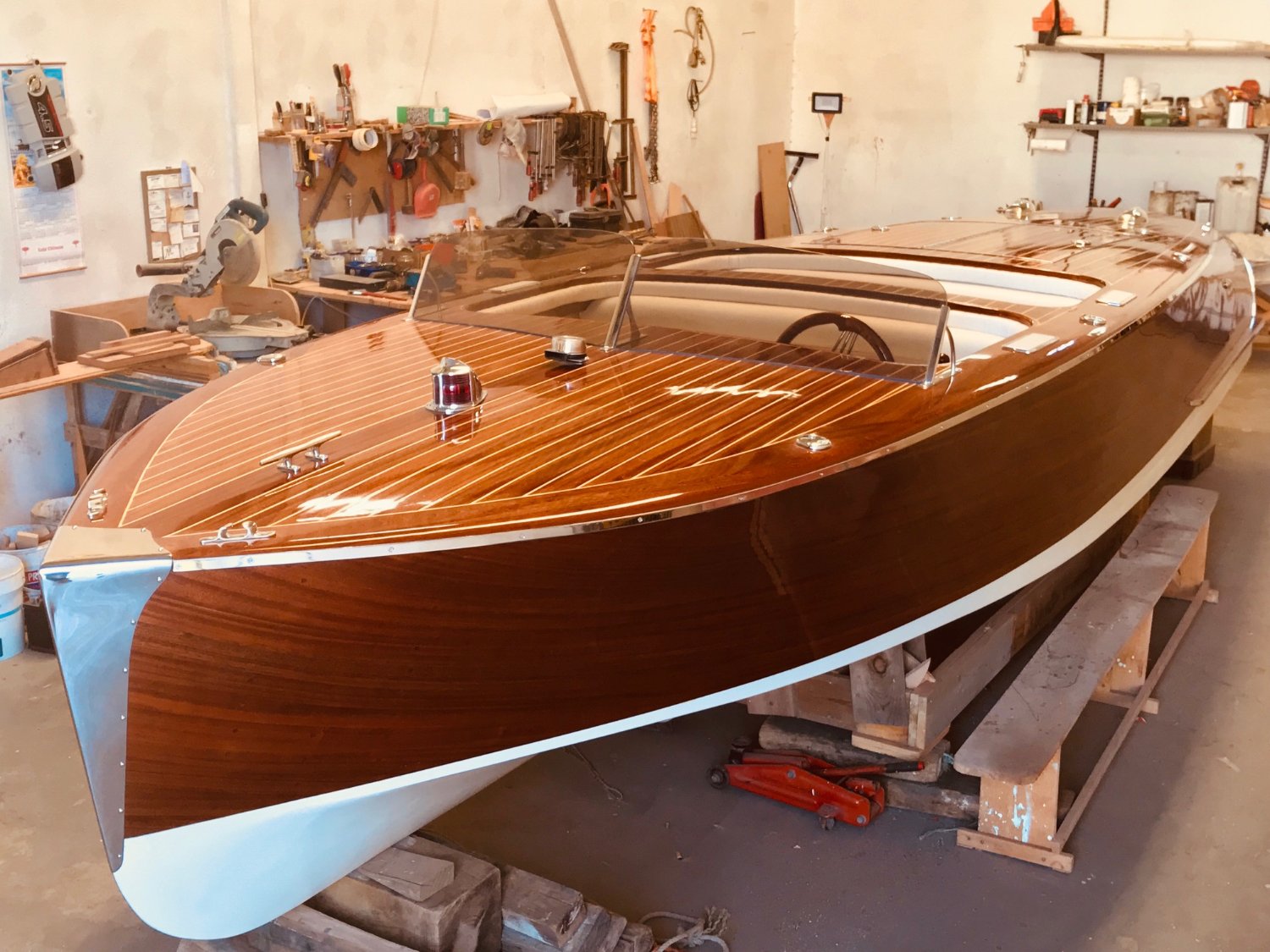
Wooden boat building, a craft steeped in tradition, often presents itself as a straightforward process: find plans, gather materials, and build. But beneath the surface of seemingly simple instructions lies a world of nuanced considerations rarely addressed in beginner guides. This review of “Wooden Boat Building: A Beginner’s Guide to Crafting Your Own†(assuming the existence of such a book) aims to delve into these often-overlooked aspects, enriching the experience for both seasoned craftsmen and enthusiastic novices.
The Unspoken Language of Wood: Material Selection Beyond the Species
Most guides focus on the type of wood (oak, cedar, mahogany), but what about the individual characteristics of each plank? This is where the real artistry begins.
Q: How can I choose wood beyond just the species?
A: Imagine each piece of wood as possessing a unique personality. Examine the grain closely. Tight, even grain indicates strength and stability; wider, more erratic grain might be beautiful but less predictable in its behavior. Look for knots â€" some add character, others represent weaknesses. Feel the weight and density. Heavier wood might be stronger but harder to work with. Consider sourcing locally felled timber, understanding its history and seasonal growth patterns, which influence its durability. This level of attention to detail is rarely emphasized in beginner guides but drastically impacts the boat's performance and longevity.
Beyond the Blueprint: Embracing Imperfection and Adaptability
Rigid adherence to plans can stifle creativity and lead to frustration. Experienced builders often encounter unexpected challenges, requiring improvisation and adaptation.
Story: The Case of the Crooked Keel
A friend, meticulously following plans for a classic dory, discovered a slight warp in his keelson. Discarding it meant months of delay. Instead, he carefully compensated for the warp during construction, using shims and subtle adjustments. The resulting boat, while technically not "perfect," was arguably more unique and ultimately sailed just as well. This story highlights the crucial skill of adapting to the material’s idiosyncrasies, a skill not always highlighted in instructional manuals.
The Unsung Heroes: Tools and Techniques Often Overlooked
The right tools are not merely efficient, they are essential to precision and safety. Beginner guides frequently mention standard tools but often lack the depth necessary for informed decision-making.
Q: What tools often get overlooked, and how do they improve the building process?
A: Often overlooked are specialized tools like a steam box for bending wood, a spokeshave for precise shaping of curves, and various types of clamps for ensuring proper joinery. The use of a quality hand plane, instead of relying solely on power tools, allows for finer control and a deeper understanding of wood grain. Investing in good quality tools, even if it means starting with fewer, is a far better investment than buying cheap tools that break or yield poor results. Furthermore, understanding the specific applications of each tool significantly impacts efficiency and the quality of the final product.
Environmental Considerations: Beyond the Wood Itself
Sustainable practices are becoming increasingly important in all aspects of craftsmanship, and boat building is no exception. However, many beginner guides neglect the broader ecological footprint of the process.
Points to Consider:
By incorporating these often-overlooked aspects, "Wooden Boat Building: A Beginner’s Guide to Crafting Your Own" (or any similar guide) could be elevated from a simple instruction manual to a truly enriching learning experience, fostering a deeper appreciation for this timeless craft and its profound connection to both nature and human ingenuity.